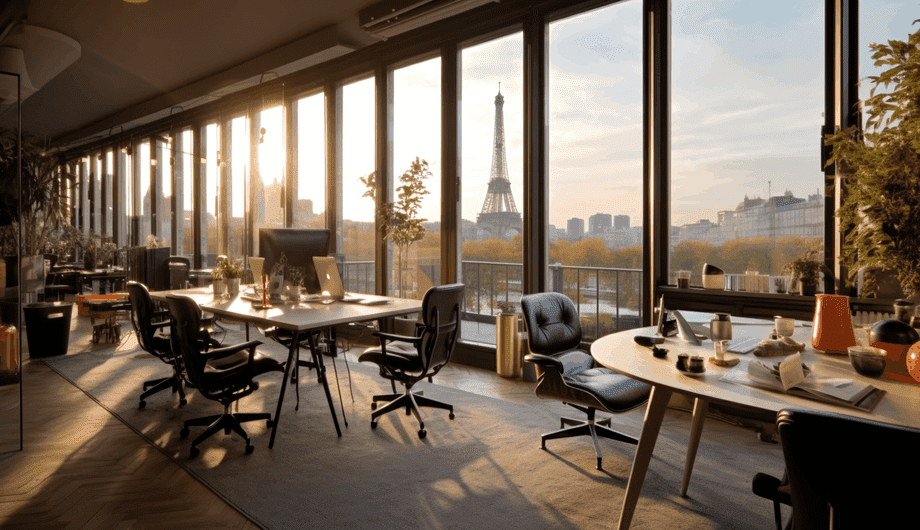
Office Rental Market Trends in Paris for 2026
As one of Europe’s most influential economic centers, Paris continues to lead the way in shaping the modern office rental landscape. By 2026, the market has evolved considerably — driven by new technologies, sustainability goals, and a redefinition of workplace culture. Understanding these developments is key for businesses planning to establish or expand their presence in the City of Light. Below are the most relevant office rental trends in Paris for 2026.
1. The Maturity of Flexible Workspaces
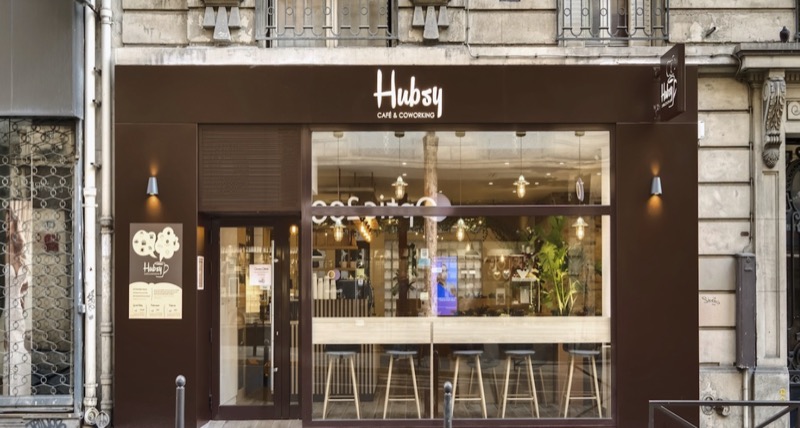
By 2026, flexible offices have transitioned from a niche option to a core part of Paris’s commercial real estate ecosystem. Coworking spaces and serviced offices are no longer viewed as temporary solutions — they have become the preferred model for many international companies, freelancers, and hybrid teams.
Operators like Wojo, Spaces, and Morning have expanded across districts such as La Défense, Gare de Lyon, and Montparnasse, offering scalable, tech-equipped environments. Businesses value the ability to adjust their space usage as teams grow or working patterns shift.
2. Expansion Beyond the Central Core
The trend toward decentralization has strengthened. While the CBD and La Défense remain prestigious addresses, secondary business districts — including Saint-Denis Pleyel, Clichy-Batignolles, and Bercy-Charenton — have seen substantial investment.
These areas offer modern office buildings with lower rents, strong public transport access via the Grand Paris Express, and a growing urban ecosystem of shops, restaurants, and cultural venues. This shift reflects a long-term rebalancing of the Parisian office market.
3. Green Transformation Accelerates
Sustainability is no longer optional — it’s a fundamental business priority. In 2026, nearly all new office developments in Paris target HQE, BREEAM, or LEED certification.
Landlords are upgrading older properties to meet stricter environmental standards, with an emphasis on energy-efficient systems, renewable energy integration, and low-carbon materials.
Tenants increasingly favor buildings that support ESG (Environmental, Social, and Governance) goals, as these align with corporate sustainability commitments and employee expectations.
4. Hybrid Work Becomes the Norm
Hybrid work models — blending remote and in-office collaboration — are now fully integrated into Parisian corporate life. Office layouts are evolving to reflect this shift:
companies are demanding smaller, more flexible offices that prioritize collaboration zones, meeting pods, and digital connectivity.
The rise of "hub-and-spoke" models — where companies maintain a main office in central Paris and satellite spaces in suburbs like Boulogne-Billancourt or Issy-les-Moulineaux — continues to grow.
5. Smart and Connected Offices
The digital transformation of office spaces has accelerated. Smart buildings now feature AI-driven energy systems, biometric access control, occupancy sensors, and digital concierge services.
These innovations enhance comfort and efficiency while helping companies track and reduce carbon footprints. In Paris, tenants are especially drawn to properties that combine smart tech infrastructure with flexible leasing options.
6. Focus on Wellbeing and Human-Centric Design
By 2026, employee wellbeing is central to office design in Paris. Tenants prioritize spaces with natural light, green terraces, air filtration systems, acoustic comfort, and wellness zones.
Many new developments incorporate biophilic design, rooftop gardens, and access to outdoor areas, reflecting a deep shift toward healthier, more inspiring work environments.
This human-centered approach is helping companies attract and retain talent in a competitive labor market.
7. A Balanced Market for Tenants and Landlords
After several years of adjustment post-pandemic, the Paris office market has reached a stable equilibrium.
Vacancy rates have slightly decreased since 2024 but remain favorable for tenants, especially outside the CBD. Landlords are offering more flexible contracts, shared amenities, and “plug-and-play” solutions to appeal to a diverse range of occupiers.
Meanwhile, premium office rents in top locations like La Défense and the 8th arrondissement remain strong, reflecting continued demand from multinational firms.
8. Rise of Mixed-Use Developments
A defining trend in 2026 is the growth of mixed-use office environments, combining workspace with retail, leisure, and residential components.
Projects like Les Ateliers Gaîté and Bercy-Charenton’s new business hub illustrate how Paris is reimagining work-life integration — creating vibrant, multi-purpose urban districts where professionals can live, work, and connect seamlessly.
The office rental market in Paris in 2026 is marked by flexibility, sustainability, digital innovation, and a focus on people and wellbeing.
Businesses entering or expanding in Paris can now choose from an unprecedented range of modern, eco-conscious, and hybrid-ready office solutions — from high-rise towers in La Défense to creative coworking hubs in Batignolles.
Platforms like RentOfficeToday.com simplify this process, providing access to verified office spaces across all Parisian districts with transparent pricing and flexible lease terms.
As Paris continues to evolve as a global hub of innovation and culture, the right office space can become not just a workplace — but a strategic asset for growth and success in 2026 and beyond.